
(for babies & toddlers age 0-1½ and a parent or caregiver)
When is the right time to begin music education?
“Nine months before the birth of the mother.”
-Zoltan Kodaly
How is this different from Sound Beginnings?
This is a wonderful class for first time parents or those with older children in school who want to have some one-on-one time with their little one!
Sound Beginnings was originally created for children ages 2-4. Expanding the age range to 0-4 allowed younger siblings to attend, making class more accessible for all families. While current studies clearly demonstrate that musical interaction benefits children of any age, Sound Beginnings classes are primarily structured for the needs of an older toddler or preschooler. The goal has always been inclusivity of the younger sibling rather than primary service to a younger age group. Although it certainly works to have one class for all, I personally feel that it can be a completely different atmosphere when there aren’t older children in the class vying for mom’s attention. This allows mom and baby a wonderful time to bond through music!
I have re-structured this specific class to fit the needs of those age 0-18 months. We will still use the same instrument, music and workbook as those used in a regular Sound Beginnings class. (Here’s some fabulous information about WHY we do this.) I will adapt many of the activities to have more dancing, intentional touch (massage), mirrors to aid in language development, and more instrument and exploratory play! Your child will still be exposed to the wonderful lyrics of these songs, although they will be benefiting from them a little differently than they would in the standard Sound Beginnings class.
So how will your infant be participating in class? As a caregiver, you will help your baby feel the beat by rocking or bouncing them. You will help them explore and interact with the simple rhythm instruments. You will make eye contact and smile as you playfully appreciate the music together! This class is as much for parents as it is for the infants they bring with them!
In class you will learn to use music to help your child develop fine and gross motor skills, communication and social skills, and parent-child bonding in a fun and nurturing environment. The best part? Sound Beginnings doesn’t end when class is over because your class includes the music, an instrument, and a workbook that let you take the fun home with you! You’ll be able to re-create the fun from class at home whenever your child wants! Children are ready to learn as soon as they are born. It’s never too early to start!
Because I know that RSV is a real concern (among other sickness), I will be limiting the number of enrolled families to ONLY 6 so that we can maintain a little space between the babies. Instruments are always cleaned between classes. We will still have the fun of being able to interact with the other families, but without as much opportunity for germ spreading!
The Music Window
“Sound Beginnings provides research-based music experiences proven to create connections in the brain that will make children more intelligent! Like the language learning window, the music learning window is from birth-9 years old. A young child’s brain, eyes, ears, arms and legs are ready to experience music! This means that the earlier a child is exposed to music, the more fully they will comprehend it, and the easier it will be for them. Students who have attended Sound Beginnings graduate to Let’s Play Music singing in tune, understanding the difference between beat and rhythm, loving classical music, knowing colors, numbers, and having an enthusiasm for music!” https://www.letsplaymusicsite.com/sound-beginnings/philosophy/music-window
Curriculum
Sound Beginnings offers six non-sequential semesters. Each semester is 4 months long and focuses on different musical concepts and skills through different songs and games.
spring 2026
class instrument: triangle
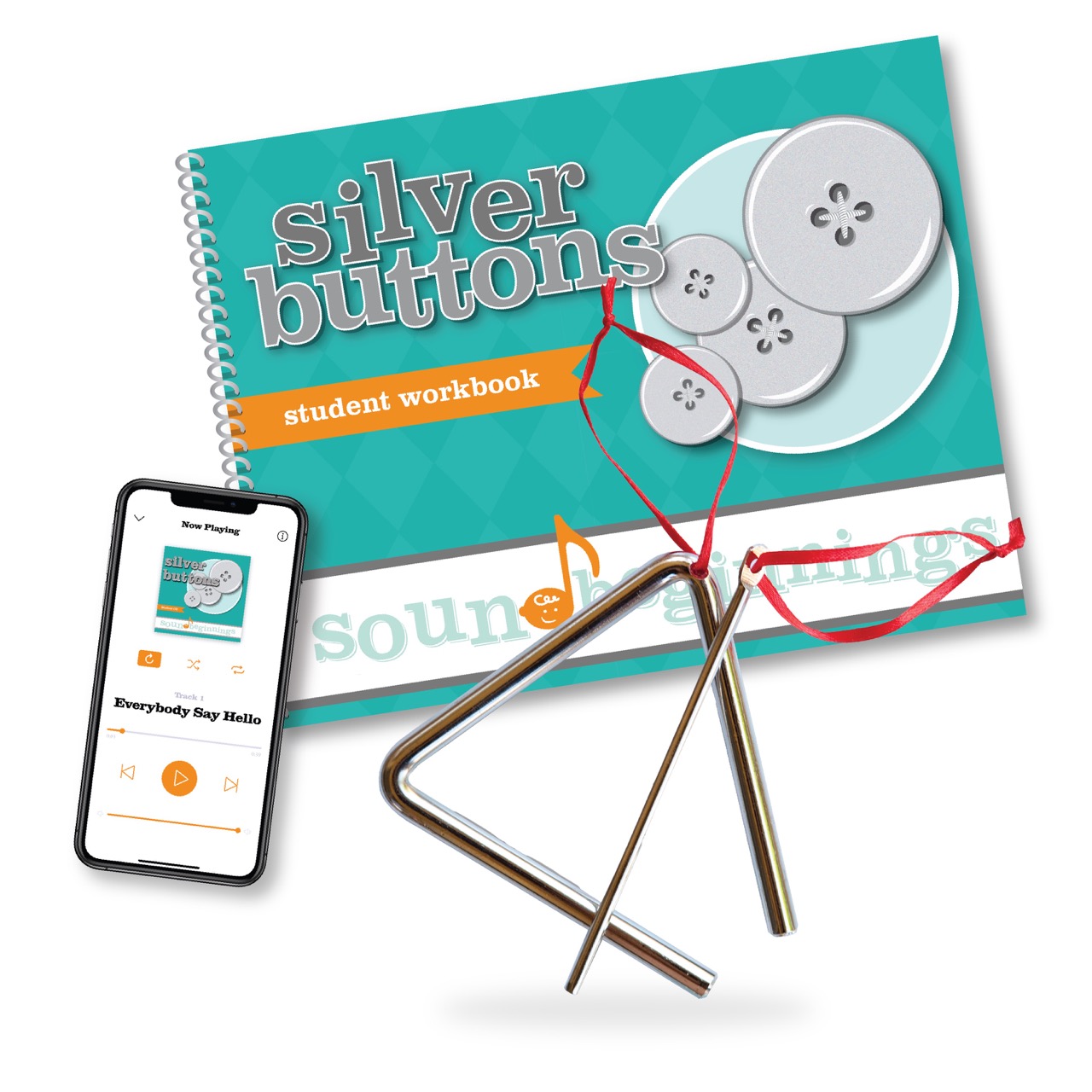
semester themes: buttons, elephants, shapes, days of the week, French
fall 2026
class instrument: tambourine
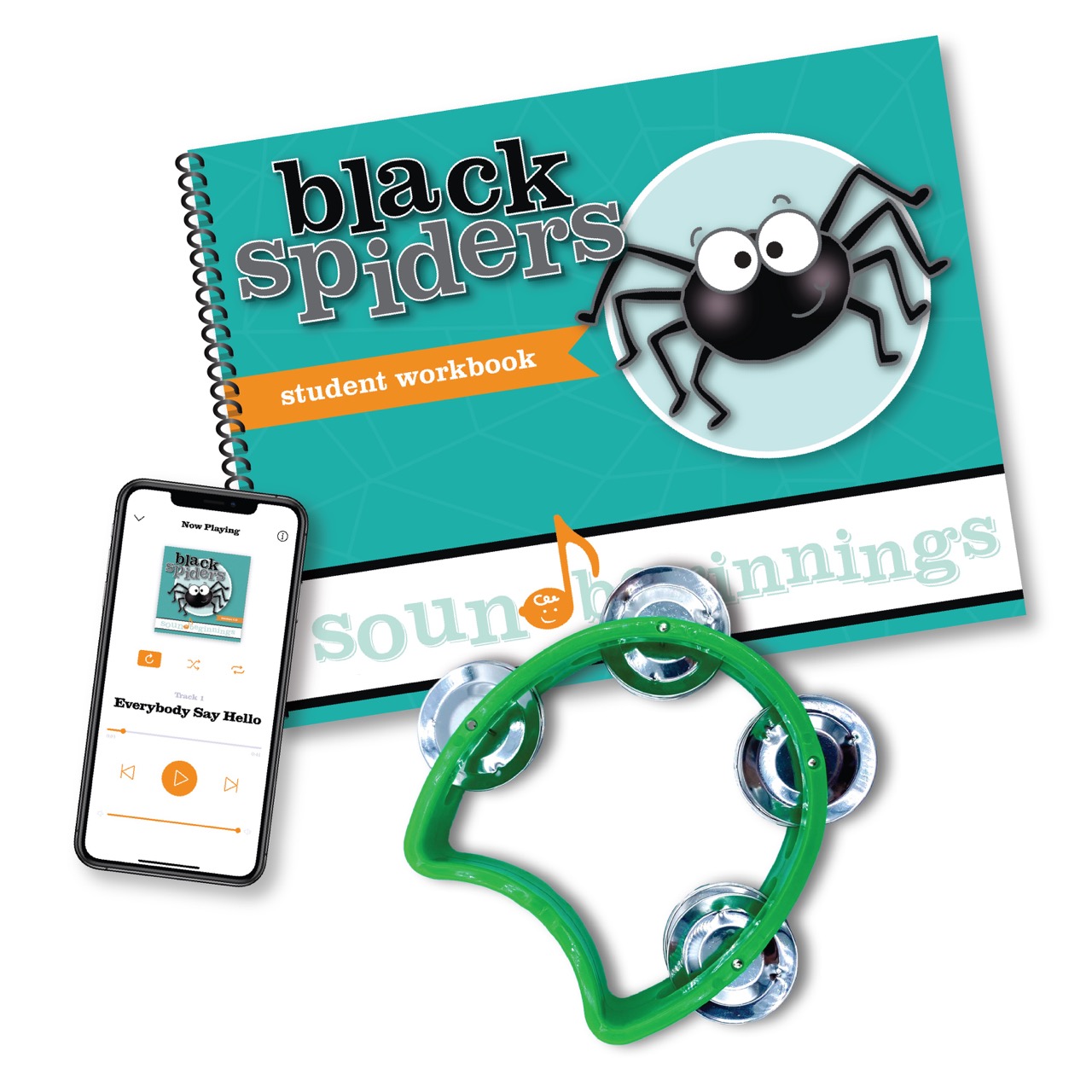
semester themes: spiders & bugs, trains, transportation, manners, opposites

spring 2027
class instrument: finger cymbals
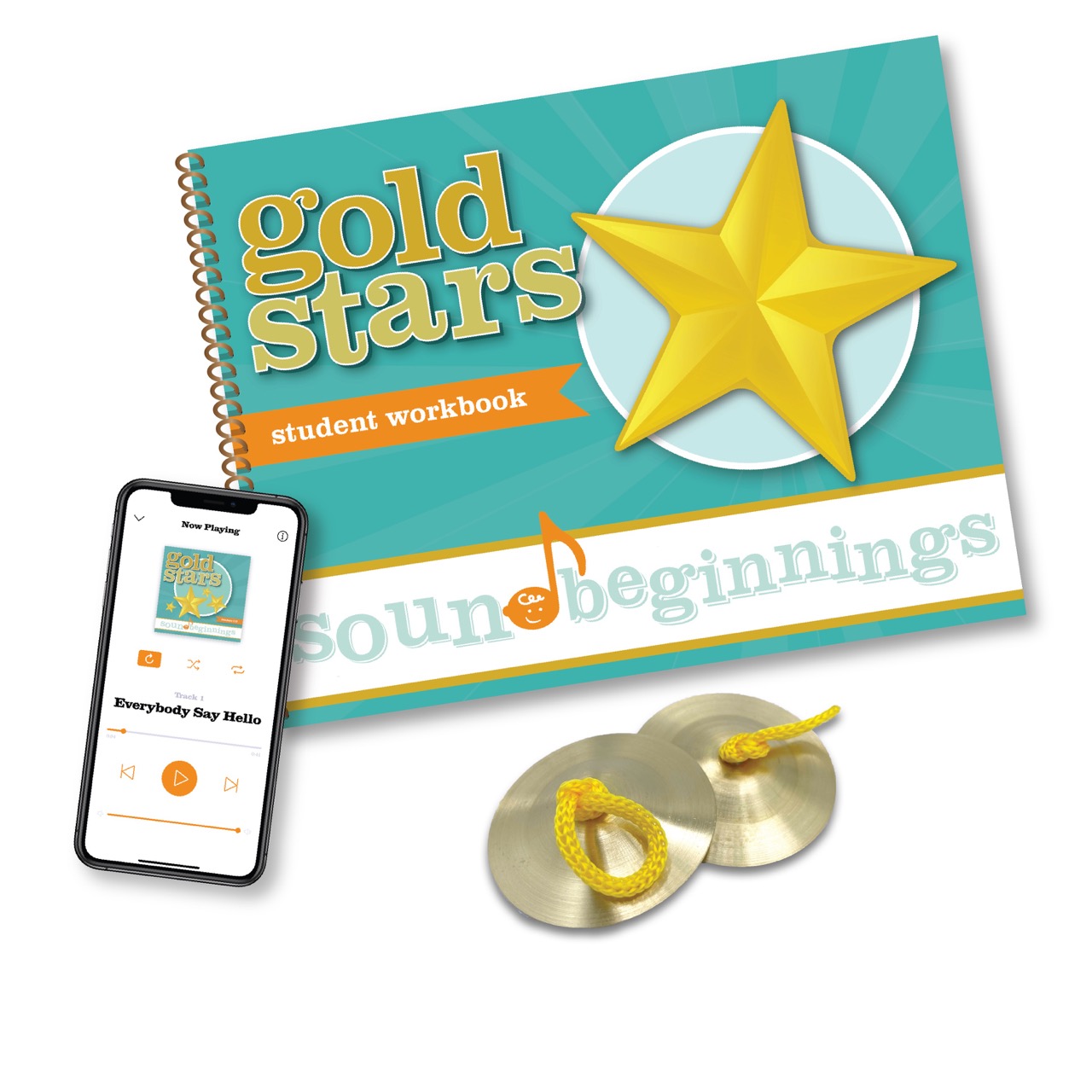
semester themes: stars & outer space, patterns, travelling, telling time, Chinese

fall 2027
class instrument: rhythm sticks
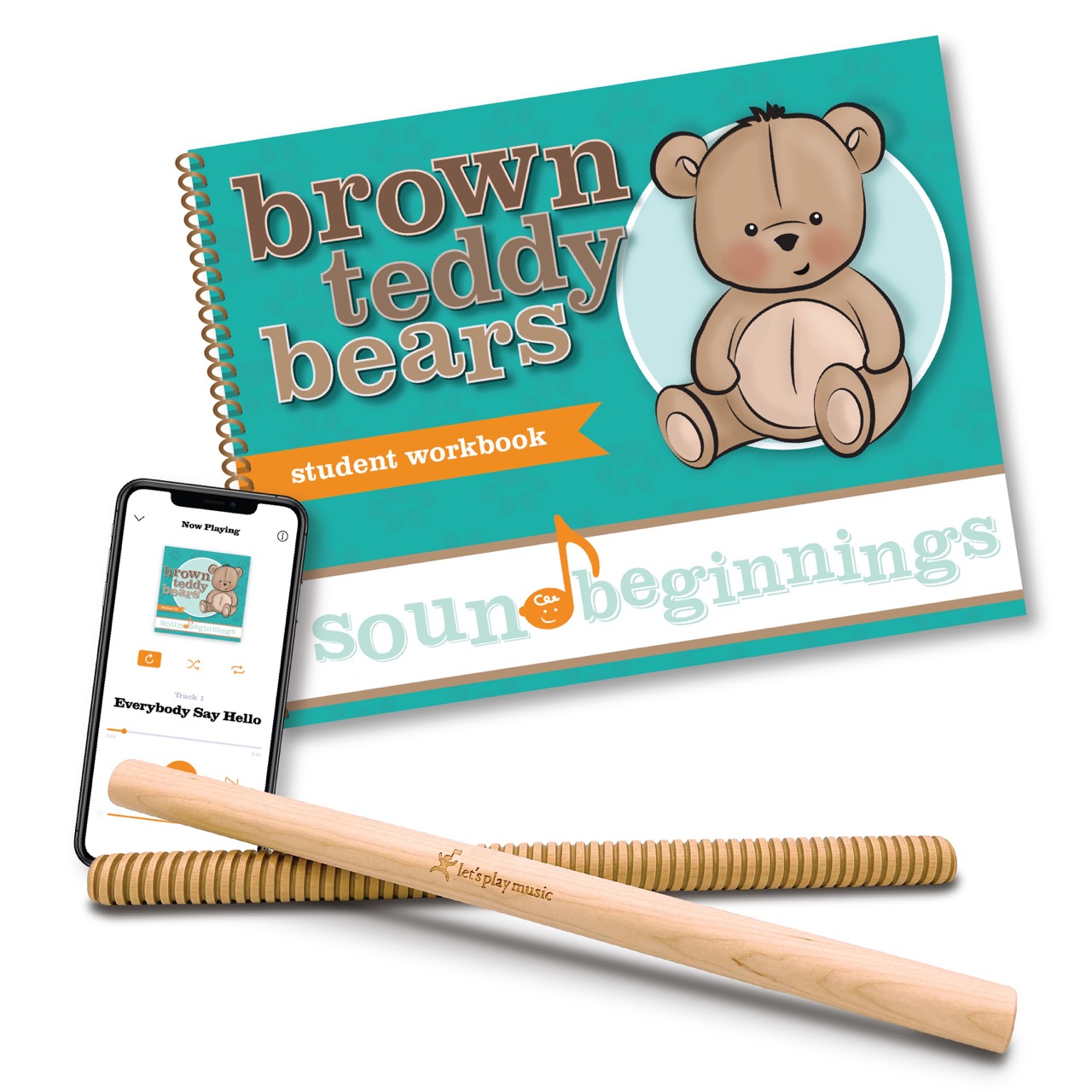
semester themes: bears & bees, zoo animals, weather, seasons
spring 2028
class instrument: maracas
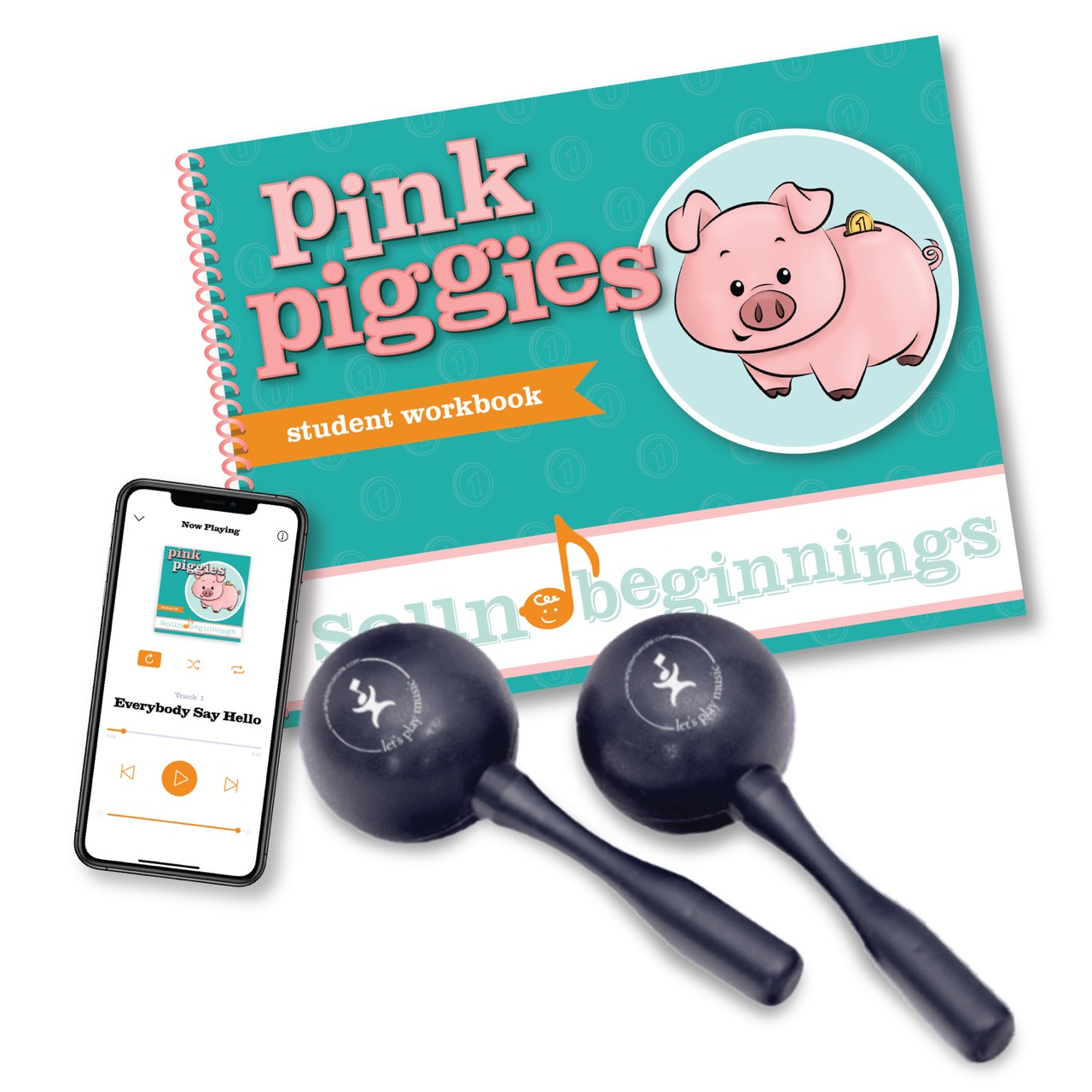
semester themes: pigs, farm animals, dogs, money & coinage, Spanish

fall 2028
class instrument: wrist bells
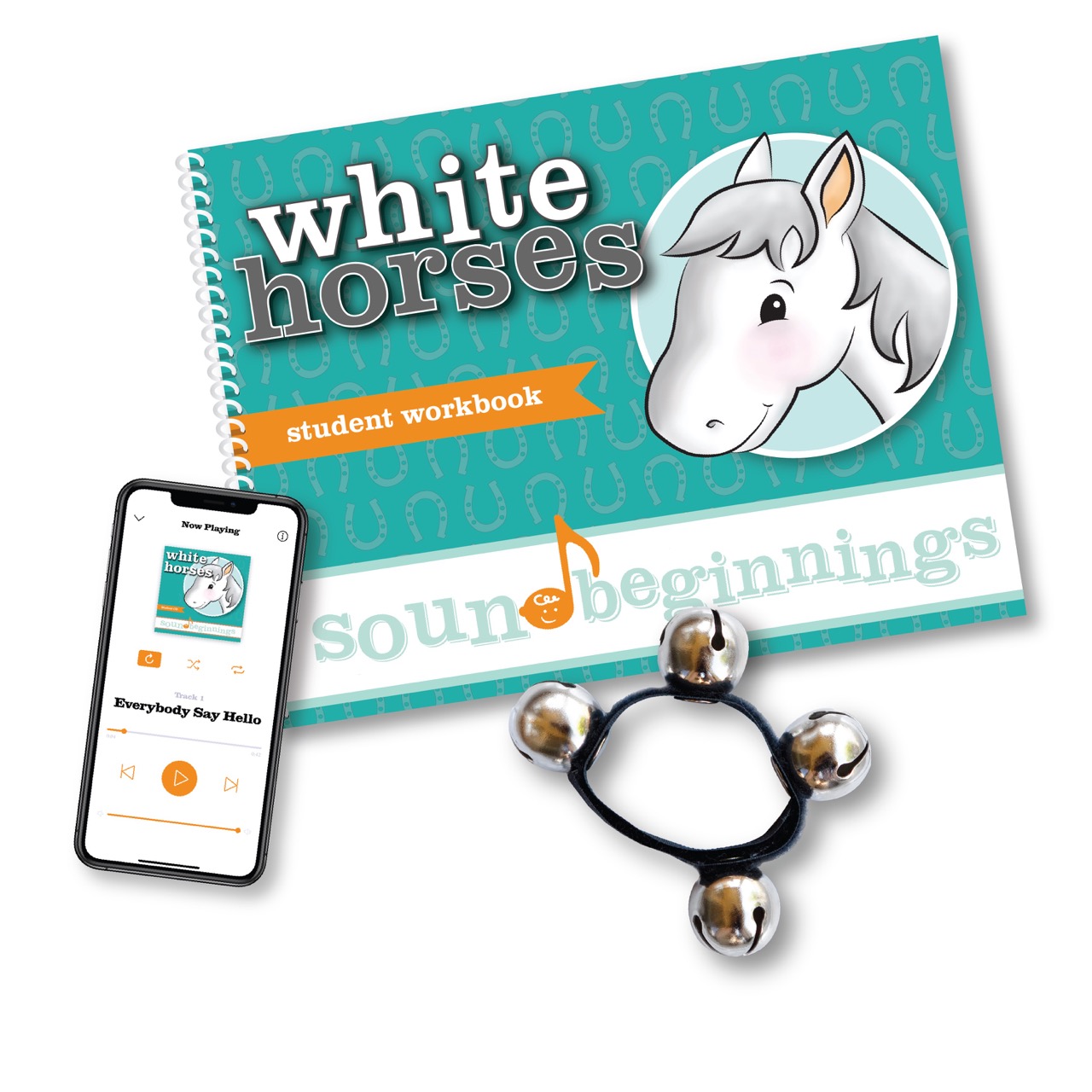
semester themes: horses, colors, vowels, body parts, counting
7 Foundational Elements
Sound beginnings provides research-based elements that stimulate growth in areas particularly crucial to the development of the young child. These elements make up the foundation of the Sound Beginnings curriculum: (The added colored text is what we will focus on in the Mini Musicians class.)
This class is for children and their ‘grown up’ to enjoy together. We will focus on building and strengthening these relationships while in class. We provide partner activities with intentional eye contact, trust elements, and physical touch to nurture this highly significant relationship.
Parent-child bonding in a fun and playful way will be a primary focus of the Sound Beginnings Mini Musicians class. Babies’ brains are “wired” to selectively attend and respond to the human face.
We are surrounded by correct singing on the semester CDs and in class. Students are encouraged to participate in appealing vocal play, make high and low sounds and use the minor third to learn to match and sing in tune.
As parents sing to their babies, the babies begin to sing back… not necessarily immediately, but the more children are sung to, the more they can develop an ear for singing in tune!
We use our bodies and instruments to feel and perform a steady beat. Steady beat is crucial to developing rhythm skills and supports math skills.
Whether we are bouncing baby to the beat or patting the beat on baby’s body, they are learning to develop an internal beat that they can then match to an external source.
Fingerplay to nursery rhymes help students focus on and enjoy fine motor movements. We also practice making the ABCs in sign language. Younger students enjoy the observation and will attempt the skills which is great practice too!
Baby signing is an amazing way to communicate with your baby! While babies can understand signs much faster than they can sign them, it is a wonderful form of communicating with your baby, even before they can talk. Each lesson will include some ASL signs that you can enjoy with your baby!

We expose students to the finest music literature. Our ‘smart moves’ dances involve the whole body in an enjoyable classical music experience. Each semester, we study the specific timber of different instruments and group them by family.
Babies love to hear the different sounds made by the different instruments. As early as seven months, infants can discriminate between sounds of different timbres with the same pitch!

Full body movement builds muscle strength, hand/eye coordination, and develops balance. Gross motor also connects the two hemispheres of the brain, promoting improved cognition.
The Mini Musicians class includes a special “exercise” song to help strengthen both muscles and brain! The gross movement used in class helps to develop the infant’s vestibular system.
In class we read stories, practice our ABC’s and letter sounds. We are also going to learn about weather, seasons, and words that rhyme!
While we won’t focus quite as much on the Kindergarten skills in class, we will sing songs that help to reinforce these concepts, whether we are dancing or playing instruments! (Songs might as well include fun and useful information too, right?)
When are classes?
Sound Beginnings Mini Musicians classes begin with new semesters in August and January, although you may join a class at any time. When registering, the Mini Musicians class will look just like the regular Sound Beginnings class, so be sure to select the correct one! Text or call me to be sure you are signing up for the right class time!)
How much does it cost?
What’s included in the cost of Sound Beginnings? Click here to see!
Want to try a free preview class first?
Sign up for a free preview class!